Traditional Attire: Cultural Elegance
Introduction
India is a land of rich cultural diversity, and its traditional clothing reflects this remarkable tapestry of heritage and history. The country’s diverse regions have given rise to a plethora of traditional garments, each with its unique style, fabric, and significance. In this blog, we will embark on a journey through the vibrant world of traditional Indian attire.
- Saree: The Timeless Elegance
The saree is arguably the most iconic and versatile traditional attire in India. This six to nine-yard piece of fabric can be draped in countless ways, making it suitable for a variety of occasions. From the intricate Banarasi sarees of Uttar Pradesh to the vibrant Kanjivarams of South India, each region boasts its distinctive designs and craftsmanship.

- Lehenga Choli: Royal Splendor
Lehenga choli is a classic choice for Indian weddings and festive occasions. The ensemble consists of a flared skirt (lehenga), a blouse (choli), and a dupatta. The variety of colors, embellishments, and embroidery techniques in lehenga cholis make them a symbol of opulence and grace.
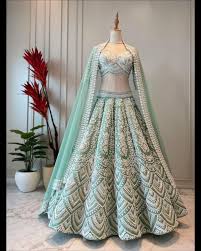
- Sherwani: The Regal Groom’s Attire
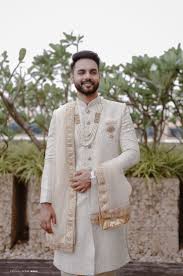
The sherwani is the quintessential outfit for Indian grooms. This long, knee-length coat is usually paired with churidar pants and creates a dignified and princely look. Sherwanis come in a range of fabrics, from silk to brocade, and are often adorned with intricate embroidery.
- Kurta Pajama: Casual Comfort
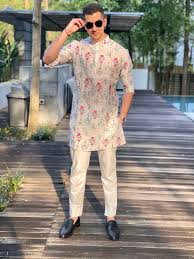
Kurta pajama is a comfortable and stylish choice for everyday wear and informal occasions. The kurta, a long tunic, is paired with loose-fitting pajama pants. It is available in various designs, from simple cotton kurtas to more elaborately embroidered ones.
- Anarkali Suit: A Modern Twist on Tradition
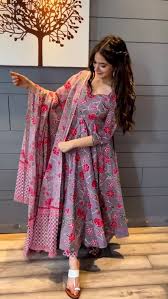
The Anarkali suit takes inspiration from the Mughal era. It features a long, flowy frock-style kurta paired with fitted churidar pants and a matching dupatta. These suits have made a significant comeback in recent years, blending traditional elegance with a contemporary touch.
- Bandhgala: The Dapper Jacket
The Bandhgala, also known as the Nehru jacket, is a tailored, button-up jacket that exudes sophistication. It can be paired with a kurta or a formal shirt and trousers. It is a popular choice for men at both formal and semi-formal events.
- Phulkari and Chikankari: Embroidered Masterpieces
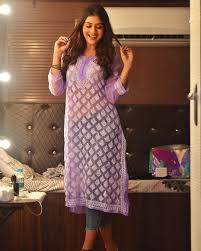
Phulkari and Chikankari are traditional embroidery styles from Punjab and Lucknow, respectively. These intricate, hand-embroidered patterns often adorn sarees, suits, and dupattas, adding a touch of artistry and cultural significance to the garments.
Conclusion
India’s traditional attire is a testament to the country’s rich heritage and cultural diversity. These garments are not just pieces of clothing; they are embodiments of history, artistry, and identity. Whether it’s the timeless elegance of a saree, the regal grandeur of a sherwani, or the casual comfort of a kurta pajama, each traditional outfit has a unique story to tell. As India continues to evolve, its traditional attire remains a vibrant reflection of its past, present, and future.


 Allyouneed